When Google books the room: what a boutique hotel website needs now
Google’s AI Mode now books hotels through the big chains and travel agencies. What an independent hotel’s website has to do to stay in the answer and still win the direct booking.
On August 27, 2026, Google started rolling out hotel booking inside AI Mode, its conversational search, in the United States. A traveler describes the trip, gets a short list of hotels with reviews, picks a room, checks the cancellation policy and pays with Google Pay, often without opening a hotel website at all.
The launch partners are the companies you would expect: Booking.com, Expedia, Hotels.com, Priceline, Trip.com, Hilton, Marriott, IHG, Choice and Wyndham. Google says the hotel or booking platform still handles the reservation and any customer service. For an independent or boutique hotel that isn't one of those partners, the practical question is simple. When a guest plans a trip by talking to Google, how do you stay in the conversation, and how do you still earn the direct booking?
The website is now read before it is seen
For years, a hotel website was built for the guest who arrived on the homepage and browsed. That guest still exists. But more and more, the first reader is a machine that decides whether you belong on a short list of three or four places.
An AI assistant can't feel the light in your lobby or the weight of your linen. It can read whether the rooms are described in text, what the rates roughly are, where you are, what is nearby, whether there is parking, whether dogs are welcome and what your cancellation policy says. If those facts live only in a slideshow, a PDF or a booking engine that loads after a few seconds, the assistant fills the gaps from other people's websites, usually the agencies.
Put the facts where a machine can read them
When I review a hotel site, I start with the boring questions a front desk answers every day, and check that each one is answered in plain text on a page that loads without waiting for scripts:
- Each room type on its own page, with size, bed type, view, maximum occupancy and what makes it different from the room next door.
- Policies in one sentence each. Check-in and check-out times, cancellation, deposits, children, pets, accessibility.
- The neighborhood in your words. Walking times to the places guests actually ask about, not a generic list of attractions.
- A clear sense of price. Even a line like "rooms from $480 a night in season" helps an assistant place you correctly.
- Structured data that matches the page. Hotel markup with your address, amenities, photos and contact details tells search engines and assistants who you are in their own language.
Then I check your Google Business Profile. For many travel searches it is more visible than the website itself, and its photos, hours and attributes are part of your brand whether you manage them or not.
Give the guest a reason to book with you
If AI Mode can complete a booking through an agency in a few taps, "book direct" needs to mean something. The best independent hotels I know don't compete on convenience. They compete on what an agency can't offer.
- A real benefit for booking direct, stated near the button: a better cancellation window, breakfast, a late checkout or the room you actually asked for.
- A person before the stay. A short note from the concierge, a phone number that is answered, a way to ask about the quiet room or the anniversary dinner. I wrote about designing that step in the private appointment.
- A booking engine that looks like the hotel. Your typefaces, your colors and your voice all the way to the confirmation email. A generic engine in system blue undoes a lot of brand work at the most important moment.
Let the right bots in, and check what they say
Many hotel sites block AI crawlers without anyone deciding to, through a firewall setting or a plugin. Blocking training crawlers is a reasonable choice. Blocking the search and live-visit bots means that when someone asks an assistant about your hotel, it answers from whatever the agencies have written. My plain guide to AI crawlers explains which ones to allow.
Once a month, ask AI Mode, ChatGPT and Perplexity the question your ideal guest would ask: "a quiet boutique hotel in the West Village with a good bar," or whatever fits you. Note whether you appear, what they say about you and which link they give.
Photography still closes the decision
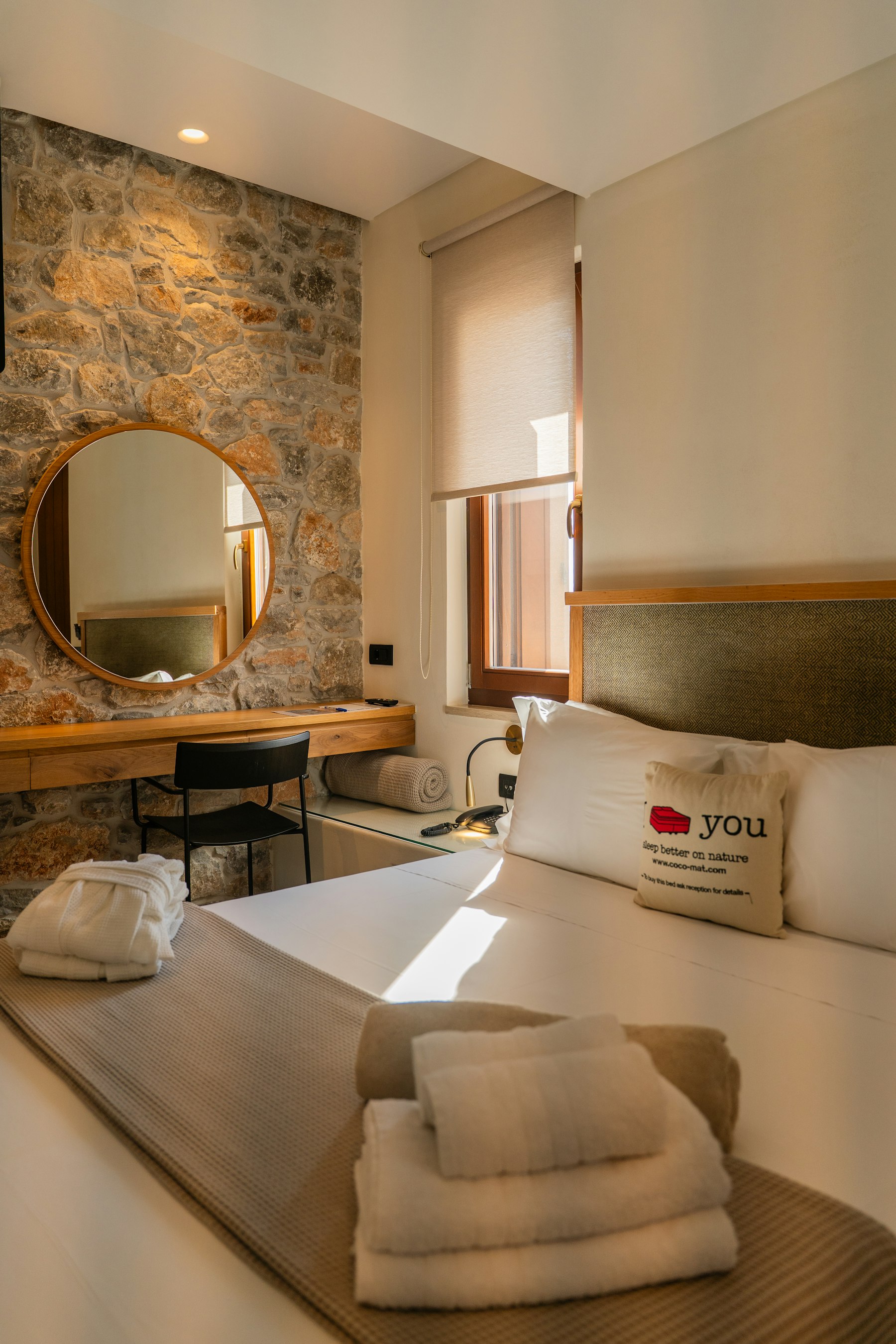
None of this replaces the visual side. When a guest does click through, the website has a few seconds to confirm everything the assistant promised. One strong photographic direction, rooms shown in true daylight, details that a guest would notice in person: this is still what turns a short list into a reservation. I covered more of it in what makes a website feel expensive.
Where to start
- Ask AI Mode to recommend a hotel like yours, in your city, for your kind of guest. See if you appear.
- Read your room pages with images turned off. Whatever is left is what a machine sees.
- Write one clear reason to book direct and put it next to the booking button.
- Check that your robots.txt and firewall allow the search bots you want.
If you want a quick outside read, my free AI Visibility Check shows what assistants can read on your site, and the Luxury Homepage Audit covers the details a discerning guest notices first.
Source: TechCrunch on Google's AI Mode hotel booking launch (August 27, 2026).
Building or refreshing a high-end brand? I help fashion, luxury, hospitality and professional brands with brand, website and AI work, from New York and Tallinn.
Start a project

