One page of photography direction: how small luxury teams keep every image on brand
Most small luxury brands don't have a photography problem, they have a consistency problem. The one-page photography direction I recommend, and the six decisions it should hold.
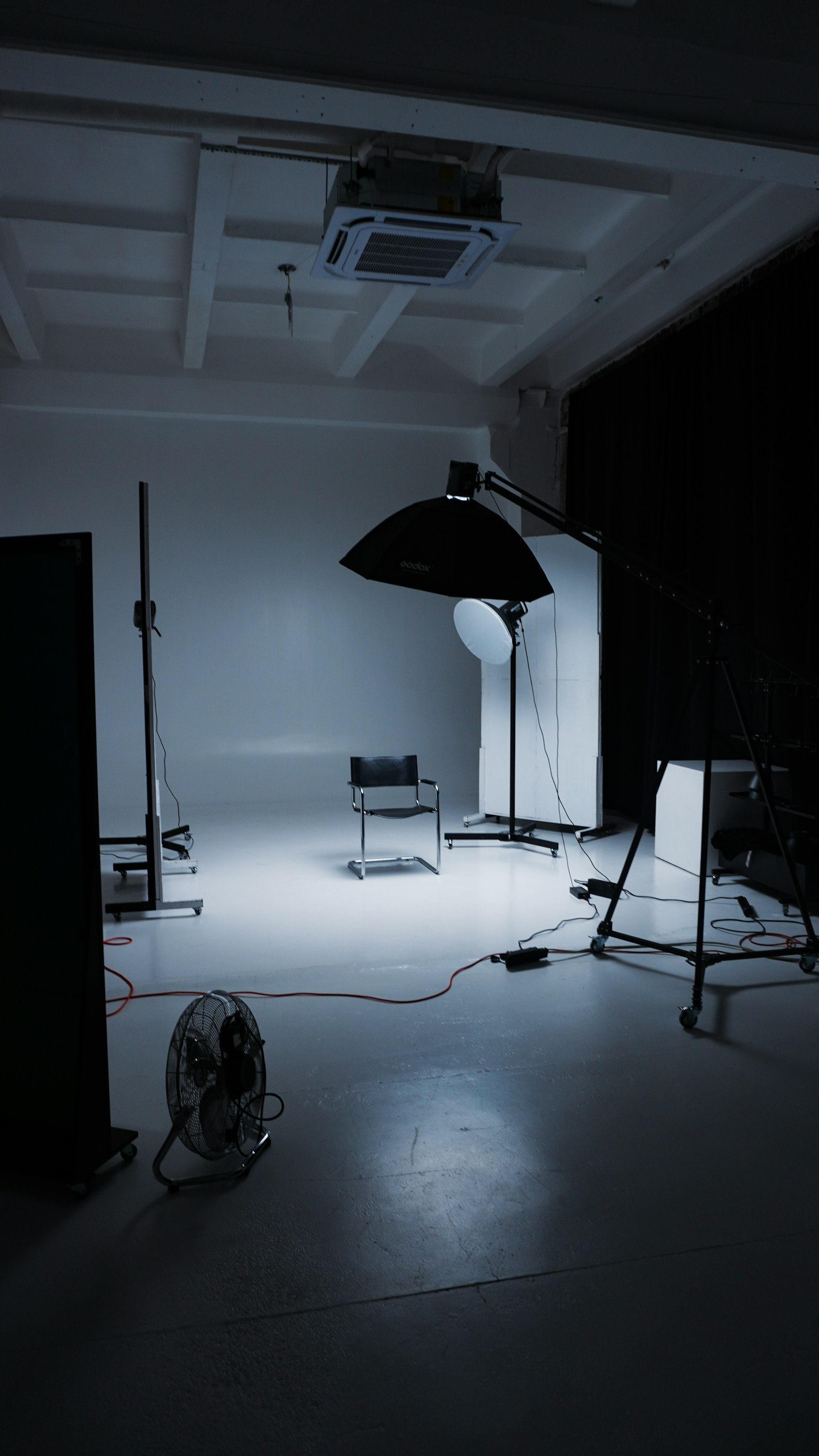
Most small luxury brands don't have a photography problem. They have a consistency problem. The campaign was shot by a talented photographer in March, the product pages by someone else in June, the Instagram grid by whoever was in the studio that week, and the new collection by an agency with its own ideas. Each image is good on its own. Side by side, they look like four different companies.
A customer won't say "the color temperature is inconsistent." They'll just feel that the brand is less sure of itself than the price suggests. In 13 years of brand and web work for fashion and luxury names, including Kenneth Cole and Steve Madden, the fix I recommend most often isn't a bigger shoot budget. It's one page of photography direction that everyone who picks up a camera actually reads.
Why one page beats a brand book
Large fashion houses have photography manuals that run to dozens of pages. Small teams don't need that, and won't open it. What they need is a single page of clear decisions and real examples: something a freelance photographer can read in five minutes before a shoot, and a social media manager can keep open while editing on a phone.
The test is simple. If you handed the page to a photographer you've never worked with, would their images sit comfortably next to your best existing ones? If not, the page is missing a decision.
The six decisions to write down
- Light. Daylight or studio, soft or hard, warm or neutral. Pick one primary direction and say when exceptions are allowed. Light does more for consistency than any filter.
- Color and white balance. How whites should read (pure, warm or cool) and which background colors you use. Include one reference image that is "correct," so retouchers have something to match.
- Backgrounds and surfaces. Seamless paper, stone, linen, a real interior. Limit the set to two or three, so product images line up across collections.
- Crops and angles. The standard set for every product: front, side, detail, scale, and on the body or in use. Note the aspect ratios each channel needs, so nobody improvises a crop later.
- People. If models appear, how they relate to the camera: looking in or away, posed or candid, how much of the face is shown. This is where tone shifts most between photographers.
- Retouching. What gets fixed (dust, stray threads, color accuracy) and what stays untouched (the texture of leather, the grain of wood, real skin). Heavy retouching is the fastest way to make craft look synthetic.
Show, don't describe
Words like "elevated" and "natural" mean something different to every photographer. Put six to nine of your own best images on the page, each with a one-line note on why it works. Then add three images that are wrong for the brand, with a note on what went wrong. The wrong examples often teach more than the right ones.
Use your own images wherever you can, not mood boards pulled from other brands. Borrowed references produce borrowed results.
One standard for the website and Instagram
Many brands run two visual languages: a polished website and a looser Instagram. A difference in pace is fine. Social can be more immediate and show more of what happens behind the scenes. But light, color and retouching should stay the same, so a customer who taps from a post to a product page feels they've arrived at the same place.
The quickest check I know: open your website and your Instagram grid side by side on a phone, and cover the logos. If you can't tell they belong to the same brand, the page needs work, and so does the edit.
A word on AI-generated images
It's tempting to fill gaps with generated imagery. For backgrounds in early concepts, that can help. For products and people, the smooth, weightless look is easy to recognize, and for brands that sell craft and materials it undercuts the promise. If you use AI anywhere in the pipeline, write down where it's allowed and where it isn't, so the decision is made once rather than shoot by shoot. I wrote more about that balance in AI in luxury marketing.
Where to start
- Pull 30 recent images from your website, product pages and Instagram into one folder.
- Choose the nine that feel most like the brand. Note what they share: light, color, crop, surface.
- Write those shared traits as the six decisions above, one or two sentences each.
- Add the three images that feel least like the brand, and say why.
- Send the page to every photographer, retoucher and social media manager before their next job.
Photography is usually the largest single investment in how a high-end brand looks online, and it's often where a website starts to feel less expensive than the product. If you'd like an outside view, my free Luxury Homepage Audit is a good first step, and the AI Visibility Check shows how your site reads to search engines and AI assistants.
Building or refreshing a high-end brand? I help fashion, luxury, hospitality and professional brands with brand, website and AI work, from New York and Tallinn.
Start a project

