No surprise at the door: selling to American customers after de minimis
The US de minimis exemption is suspended. For European brands selling online to Americans, the real risk is a surprise bill at the door. How to sell duties-included.
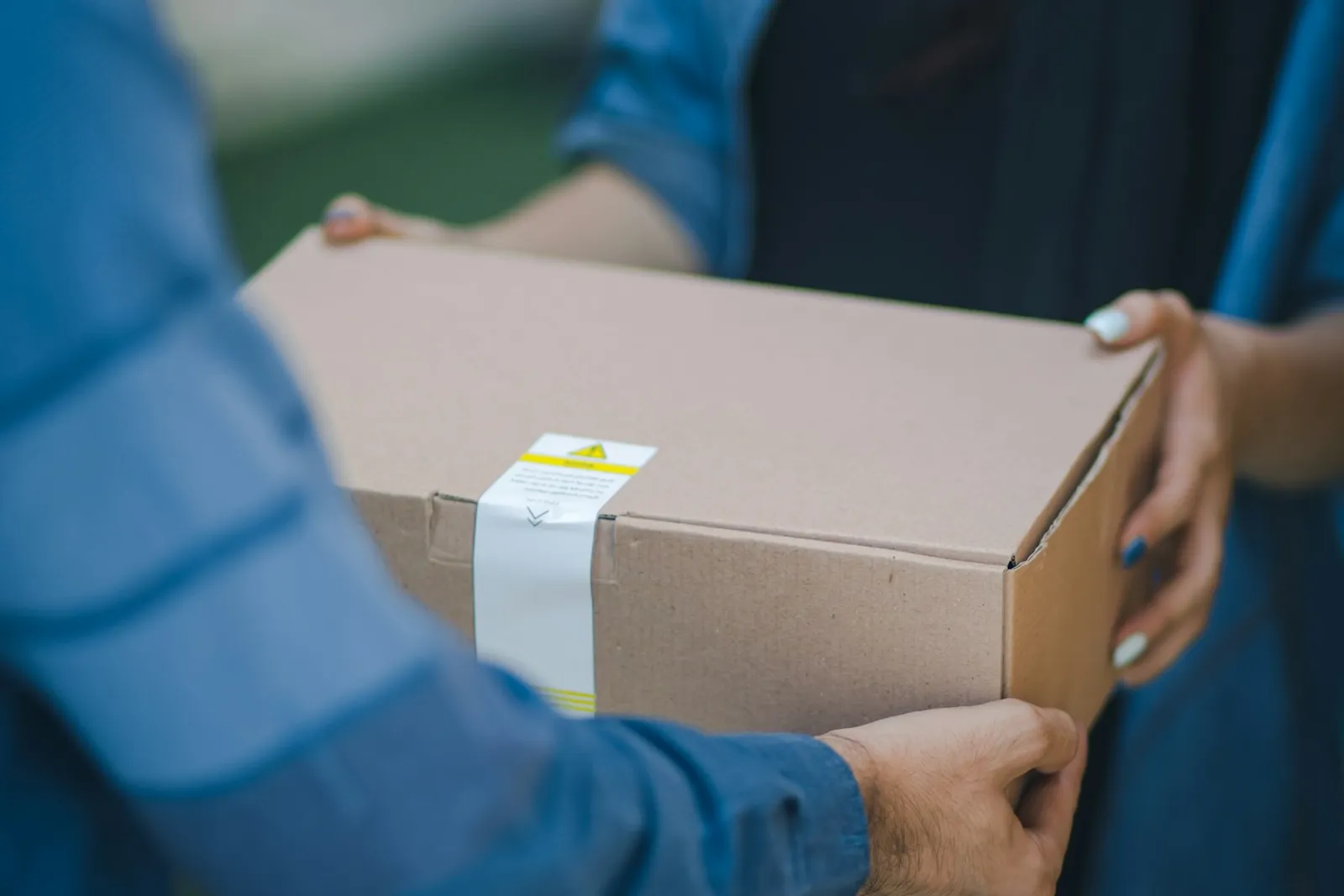
For years, a European brand could ship a $300 sweater or a pair of earrings to a customer in Chicago, and the parcel usually crossed the border without duty. Shipments worth $800 or less qualified for the US “de minimis” exemption. That rule is suspended, and for smaller brands selling online to Americans, the most important consequence isn’t the duty itself. It’s who pays it, and when they find out.
What changed
- August 29, 2025. Under an executive order signed that July, the United States suspended the de minimis exemption for low-value shipments from every country. Parcels that used to arrive duty-free now go through customs entry and pay whatever duties apply.
- February 2026. When the Supreme Court struck down the tariffs imposed under the International Emergency Economic Powers Act, the de minimis suspension stayed in place. A new executive order said it was not affected by the ruling.
- June 2026. US Customs and Border Protection issued a rule making the suspension indefinite for parcels sent by mail and creating a new informal entry process for postal shipments. In October, CBP moved the compliance date for that process to January 20, 2027.
- July 2027. Separately, legislation signed in 2025 ends the de minimis exemption in law from that date, whatever happens to the executive orders.
The duty rates themselves have changed several times this year and may change again. I won’t quote them here, because anything I write today could be wrong by the time you read it. Your customs broker or carrier can tell you the current rate for your products.
The real risk is the doorstep bill
When a parcel ships with duties unpaid, often labeled DAP or DDU, the carrier usually collects the duty, and often a processing fee, from the recipient before handing it over. For a client who just bought a gift from a brand they admire, that’s the worst possible moment to meet a surprise charge. Some may pay and quietly never order again. Others may refuse the parcel, and then you pay to bring it back and lose the client anyway.
Nothing about the product changed. The experience did. Even a beautifully designed website can’t make up for a bill at the door.
Sell it duties-included
- Ship delivered duty paid (DDP). You pay the duties and fees, and the customer pays exactly what they saw at checkout. Major carriers offer DDP services, and cross-border tools such as Shopify’s international features, Global-e and Zonos can calculate duties and collect them at checkout.
- Decide where the cost lives. Absorb it, build it into your US prices or show it as a line at checkout. All three can work. A surprise after checkout never does.
- Say it plainly, and say it early. A short line near the price and in the cart, such as “Duties and import fees included. Nothing to pay on delivery,” answers the question an American shopper is likely to have about buying from abroad.
- Keep sales tax separate. American shoppers are used to seeing prices before sales tax and paying it at checkout. Duties are different, and they expect to be told about them. If your US sales grow, ask an advisor whether you have sales tax obligations in particular states.
Plan the holiday dates around customs
Customs clearance can add days to a delivery. Publish a US-specific last order date for delivery before December 25, for each shipping method you offer, and put it in text on product pages and in the cart, not only in a banner. A client who knows the date can plan around it. A client who learns it on December 23 won’t forget it.
Make returns predictable
American customers expect easy returns. If returns travel back to Europe, the customer usually pays international postage, so tell them before they buy, or consider a US return address through a returns partner. Some duties paid on returned goods may be recoverable through a process called drawback. It involves paperwork, so ask your broker whether it’s worth it at your volume.
Where to start: send an order from your own store to a friend or colleague in the United States, using the shipping method your customers use. Ask them to tell you exactly what happened at the door, what they paid, and how long it took. Then read your product page, cart and confirmation email and check that every surprise they met is now explained before anyone pays. My free US-Readiness Check and US Launch Planner cover the rest of the experience.
A note: I’m not a customs broker or a lawyer, and this isn’t legal or customs advice. Rules and rates in this area are changing quickly, so confirm the details for your products before you change prices or shipping.
Sources: White & Case on the August 29, 2025 suspension; Supply Chain Dive on the de minimis status after the Supreme Court ruling (February 2026); the Federal Register notice of June 24, 2026; and Thompson Hine’s SmartTrade blog on CBP’s new compliance date (October 2026).
Building or refreshing a high-end brand? I help fashion, luxury, hospitality and professional brands with brand, website and AI work, from New York and Tallinn.
Start a project

